Source Excavator Wiper Blades for Cars, Buses, and Trucks
Compare 30 available excavator wiper blades designed for cars, city buses, coaches, and trucks. Buyers can review specifications like sweep angles, materials, and part numbers to find suitable options for various engineering vehicles and commercial applications.
Key considerations
Products List


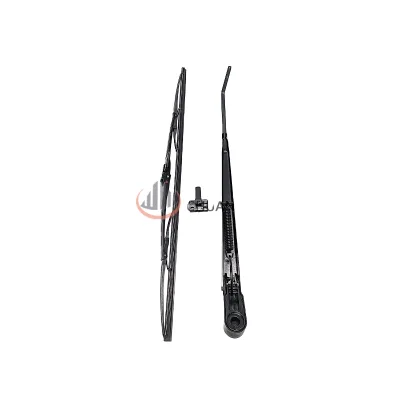
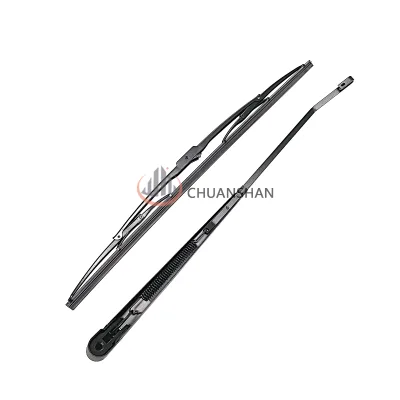
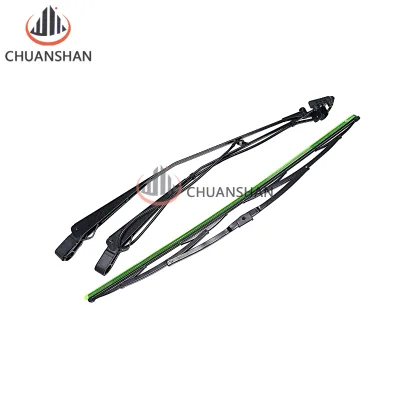


Comprehensive Sourcing Guide
Strategic Sourcing Guide for Excavator Wiper Blades
Understanding Technical Specifications and Component Variations
When sourcing wiper blades specifically for excavators and heavy engineering vehicles, buyers must navigate a complex landscape of technical attributes that differ significantly from standard automotive components. The core keyword "excavator wiper blades" implies a need for durability in harsh environments, yet the product data reveals a diverse range of configurations. A critical observation in the current market is the variation in driving types; while some units are specified as electrical, others rely on mechanical driving systems. This distinction is vital for compatibility with the specific hydraulic or electrical architectures of different excavator models.
The physical construction of the blade is another primary differentiator. The supply chain offers both "Without Bone" and "With Bone" configurations. The "Without Bone" design, often associated with a "Full Rubber" material composition, suggests a frameless or beam-style blade intended for uniform pressure distribution across the windshield. Conversely, the "With Bone" variants typically utilize a traditional batch type structure, which may be constructed from materials like "Carbon Metal" or "Aluminum." The choice between these materials impacts the blade's resistance to corrosion and its ability to maintain flexibility in extreme temperatures common in excavation sites.
Size specifications further complicate the selection process. Available units range from 10 inches to 28 inches, with specific models listed at 22 inches. The sweep angle is equally variable, with observed data points including 80°, 120°, and 135°. A sweep angle of 120° or 135° is generally preferred for heavy machinery to ensure maximum visibility coverage, whereas an 80° angle might be suitable for smaller cab windows or specific mounting constraints. Buyers must verify that the selected sweep angle matches the arc of motion of the excavator's wiper arm to prevent incomplete clearing or mechanical interference.
Compliance, Certification, and Regulatory Standards
For heavy equipment operating in global markets, compliance is not merely a formality but a prerequisite for operational safety and legal adherence. The product data indicates that many suppliers provide certifications such as CE and ISO9001: Condition:New. These certifications serve as evidence that the manufacturing processes meet specific international quality management standards and safety requirements. The CE mark, in particular, suggests conformity with health, safety, and environmental protection standards for products sold within the European Economic Area, which is a common benchmark for heavy machinery exports.
However, buyers should not assume that every listed product automatically satisfies all regulatory requirements. The presence of a certification label in a product description is an observation that must be verified against the specific jurisdiction of the end-user. For instance, an excavator operating in North America or Asia may have different regulatory expectations than one operating in Europe. The standard "ISO9001" reference points to a quality management system rather than a specific product performance test. Therefore, procurement teams must request valid, up-to-date certification documents from the supplier to confirm that the specific batch of wiper blades being purchased is covered under these certifications.
Furthermore, the "prod_standard" field in the data shows entries like "1kg" and "70X5.5X2.5cm," which appear to refer to packaging or shipping standards rather than product performance standards. This ambiguity highlights the need for buyers to explicitly define performance standards in their purchase orders. Relying solely on the provided data without further inquiry could lead to the acquisition of components that do not meet the specific safety protocols of the mining or construction industry. Buyers should verify if the materials used, such as "Full Rubber" or "Carbon Metal," comply with local fire safety and environmental regulations regarding the disposal and usage of rubber products in industrial settings.
Cost Drivers and Pricing Dynamics in the Heavy Equipment Sector
The pricing structure for excavator wiper blades is influenced by a multitude of factors, creating a wide observed range from $0.10 to $86.00 USD. This significant variance is not necessarily indicative of quality differences alone but reflects the complexity of the components, the materials used, and the volume of the order. The lower end of the price spectrum likely corresponds to basic mechanical blades with standard rubber compounds, while the higher end may encompass specialized electrical units, frameless designs, or those made from premium materials like aluminum or carbon metal composites.
Volume is a primary driver of cost efficiency. The observed Minimum Order Quantity (MOQ) ranges from 1 to 3,000 units. Buyers purchasing single units or small batches will inevitably face a higher per-unit cost compared to those leveraging bulk purchasing power. For large-scale fleet operations or aftermarket distributors, negotiating an MOQ closer to the upper limit of 3,000 can significantly reduce the average cost per blade. However, the decision to order in bulk must be balanced against inventory holding costs and the risk of obsolescence if the excavator models in the fleet are updated or replaced.
Material composition also plays a substantial role in cost determination. Blades constructed with "Carbon Metal" or "Aluminum" frames generally command a higher price than those with standard steel bones or rubber-only constructions due to the raw material costs and the manufacturing processes required to treat these metals for corrosion resistance. Additionally, the "Double Side" application feature, which allows for cleaning on both sides of the glass, adds to the manufacturing complexity and, consequently, the price. Buyers should analyze the total cost of ownership rather than just the unit price, considering that a more expensive blade with a longer lifespan and better durability in harsh excavation environments may offer a lower long-term cost than a cheaper, less durable alternative.
Typical Applications and Operational Environments
The versatility of excavator wiper blades is evident in the broad range of applications listed in the product data. While the core focus is on "Excavator" usage, the data also includes "Car," "City Bus," "Coach," and "Trucks." This indicates that many suppliers offer universal or adaptable wiper blades that can serve multiple vehicle types within a mixed fleet. However, the specific requirements for an excavator differ markedly from those of a passenger car. Excavators operate in environments filled with dust, mud, and debris, necessitating blades that can withstand abrasive conditions without degrading quickly.
The "Engineering Vehicle" classification in the data reinforces the need for robust performance. In these applications, the wiper blade must maintain contact with the windshield despite the vibrations and shocks inherent in heavy machinery operation. The "Traditional Batch Type" design mentioned in the data suggests a proven, reliable construction method that has been adapted for these demanding conditions. The "Double Side" range attribute implies a design that maximizes visibility by cleaning both sides of the glass, which is particularly useful in environments where the exterior of the windshield accumulates significant amounts of dust and the interior may be prone to condensation or fogging.
Furthermore, the transportation methods listed, including "by Sea" and "by Air," suggest that these components are part of a global supply chain. This global reach means that the wiper blades must be suitable for various climatic conditions, from the extreme heat of desert mining operations to the freezing temperatures of northern construction sites. The "Black" color specification is standard for rubber components, but buyers should ensure that the rubber compound is UV-resistant to prevent cracking and hardening under direct sunlight, which is a common failure mode for wiper blades in open-pit mining or outdoor construction sites.
Supplier Evaluation and Verification Protocols
Evaluating suppliers for excavator wiper blades requires a rigorous approach that goes beyond surface-level product descriptions. The data indicates that the "prod_origin" is primarily "China," with specific mentions of "Ningbo" as a location. While this provides a geographical context, it does not guarantee quality or reliability. Buyers must verify the supplier's capacity to meet the specific technical requirements of their excavator fleet. This includes confirming the accuracy of the "prod_model" numbers, such as "4256364 RE151494" or "189-3424," which correspond to specific OEM part numbers.
The "Sku" identifiers, such as "Hhp60972" and "Gd03003047," serve as unique tracking codes for inventory management. Buyers should ensure that the supplier can consistently provide these SKUs and that the associated product models match the exact specifications required. A discrepancy in the model number could lead to the delivery of incompatible blades, causing operational downtime. Additionally, the "prod_packing" options, ranging from "Neutral Packing" to "Paper Box" or "Blister Box," should be evaluated based on the logistics requirements of the buyer. For international shipments, robust packaging is essential to prevent damage during transit, especially for blades with delicate rubber edges or metal frames.
Supplier reliability is also indicated by the "Customization: Available" attribute. This suggests that suppliers are willing to adapt their products to meet specific buyer needs, such as custom lengths or specialized mounting brackets. However, buyers should assess the supplier's flexibility and lead time for such customizations. A supplier that offers customization but has inconsistent quality control or long lead times may not be suitable for urgent procurement needs. Buyers should request samples and conduct pilot tests before committing to large orders to ensure that the supplier's capabilities align with their operational standards.
Quality Control and Long-Term Procurement Considerations
Implementing a robust quality control (QC) process is essential for ensuring the reliability of excavator wiper blades. The "Weight" of the product, listed as 0.5kg in some instances, can serve as a basic QC metric. Significant deviations from the expected weight may indicate issues with material density or manufacturing defects. Buyers should establish clear acceptance criteria for weight, dimensions, and material composition before approving any shipment. The "Standard" field, which includes entries like "Other," highlights the need for buyers to define their own quality standards rather than relying on generic classifications.
Long-term procurement considerations extend beyond the initial purchase to include the lifecycle management of the wiper blades. The "Usage: Automobile" and "Application: Car, Engineering Vehicle" labels suggest that these components are subject to regular wear and tear. Buyers should plan for periodic replacement schedules based on the operating conditions of their excavators. In high-dust environments, blades may need to be replaced more frequently than in cleaner settings. Establishing a relationship with a supplier who can provide consistent quality and timely restocking is crucial for maintaining fleet uptime.
Additionally, the "Transportation" methods available, such as "by Sea" and "by Air," offer flexibility in managing inventory levels. For critical components like wiper blades, which are essential for safety and visibility, maintaining a safety stock is advisable. Buyers should consider the lead times associated with different shipping methods and factor them into their inventory planning. Finally, buyers should monitor the performance of the wiper blades in the field and provide feedback to the supplier. This continuous improvement loop can help identify potential design flaws or material issues early, ensuring that future procurement decisions are based on real-world performance data rather than just theoretical specifications.
FAQs
What certifications do excavator wiper blades typically have?
Many excavator wiper blades carry CE and ISO9001 certifications to indicate compliance with international safety and quality standards. Buyers must verify that these certifications apply to the specific batch being purchased rather than assuming universal coverage for all listed products.
Which driving types are available for excavator wiper blades?
Available driving types include both electrical and mechanical systems depending on the specific model and vehicle architecture. Buyers should confirm the driving type matches the hydraulic or electrical setup of their excavator to ensure proper operation and compatibility.
Can I find wiper blades with boneless designs for excavators?
Yes, boneless designs labeled as Without Bone are available and often feature Full Rubber construction for uniform pressure distribution. These frameless blades are distinct from traditional batch types that utilize a bone structure for support and may vary in material composition.
What is the typical MOQ for ordering excavator wiper blades?
The minimum order quantity ranges from 1 to 3000 units depending on the supplier and product configuration. Bulk purchasing closer to the 3000-unit limit often reduces the average cost per blade compared to single-unit orders.
How do I verify the correct model number for my excavator?
Verify the model number by matching it against specific OEM codes like 4256364 RE151494 or 189-3424 found in the product data. Ensuring the SKU and model number align with your machinery prevents delivery of incompatible components that could cause operational downtime.
What materials are used to construct excavator wiper blades?
Common materials include Full Rubber, Carbon Metal, and Aluminum, each offering different resistance to corrosion and flexibility. The choice of material impacts durability in harsh excavation environments and should be selected based on specific operational conditions and temperature requirements.